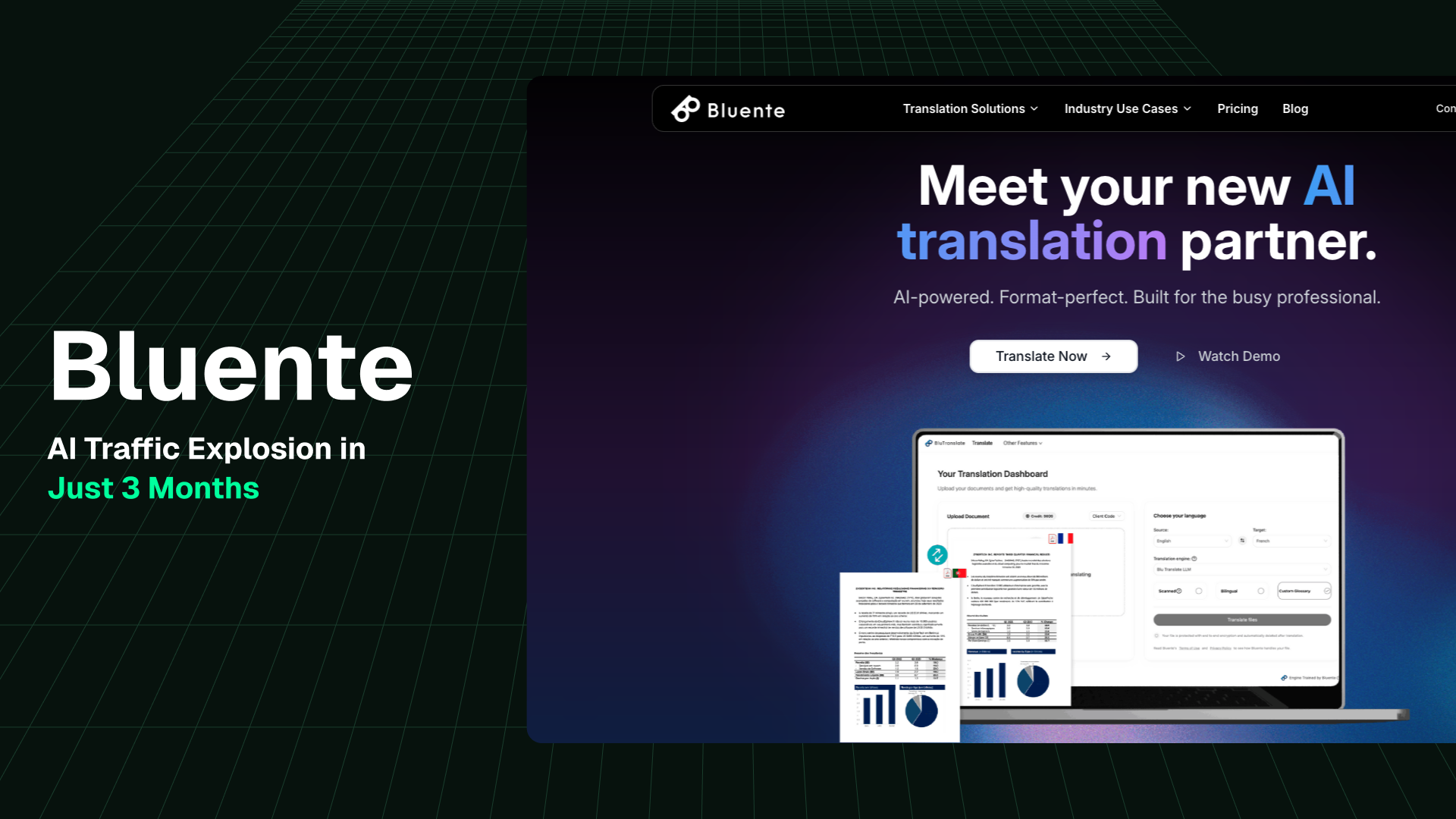
AI Traffic Explosion for Bluente in Just 3 Months
Summary
In just 90 days, a SaaS client's AI-driven traffic grew from zero to over 1,000 monthly visits, with programmatic landing pages converting at over 50% - more than 6x the site average.
Traffic from AI platforms like ChatGPT can be acquired faster than traditional search traffic and often demonstrates higher user intent, leading to exceptional conversion rates.
Focus on creating highly specific, bottom-of-funnel landing pages that target precise user needs and integrate your product directly to create a frictionless path to conversion.
Synscribe's expertise in Generative Engine Optimization (GEO) helps companies turn AI search into a sustainable, high-converting growth channel.
In today's digital landscape, businesses are constantly seeking new ways to drive traffic and conversions. While traditional SEO strategies remain valuable, the emergence of AI platforms like ChatGPT has created exciting new opportunities for growth. At Synscribe, we've been pioneering approaches that leverage these AI platforms to deliver exceptional results for our clients.
From First Lead to Traffic Explosion
Three months ago, we shared how our client Bluente, a leading AI document translation app, secured their first lead from ChatGPT in just 3 days. That early success was just the beginning. What's happened since then demonstrates something even more powerful: AI-driven traffic isn't just a quick win—it can become a sustainable, high-converting traffic source that outpaces traditional search channels.
The question many marketers ask is whether those initial ChatGPT wins can be sustained and scaled. Are those early successes just novelty effects that eventually fade? Or can they become a reliable growth engine?
Today, we're excited to share Bluente's three-month journey with us, revealing how AI traffic has not just continued but exploded, delivering conversion rates that traditional SEO could only dream of achieving.
The Problem: Beyond the Initial Excitement
When we first started working with Bluente, we experienced the thrill of seeing pages rank and drive initial traffic. But several critical questions remained:
Would the initial excitement sustain, or would it crash after a few weeks?
Could AI traffic actually grow faster than traditional search traffic?
Would AI-driven visitors convert better or worse than those from Google?
With many pages getting just a few clicks each, would these "fat-tail" strategies actually add up to meaningful business results?
Once we deployed our initial "bullets before cannonballs" approach with basic pages, would they remain unpolished forever?
How would we systematically identify the right keywords to target next?
These questions reflect the uncertainties many businesses face when investing in emerging channels. The stakes are high—allocating resources to the wrong channels means missed growth opportunities elsewhere.
Our Solution: Technical Precision + Strategic Focus
Our approach with Bluente combined technical excellence with strategic focus on bottom-funnel conversions. Here's how we built their AI traffic engine:
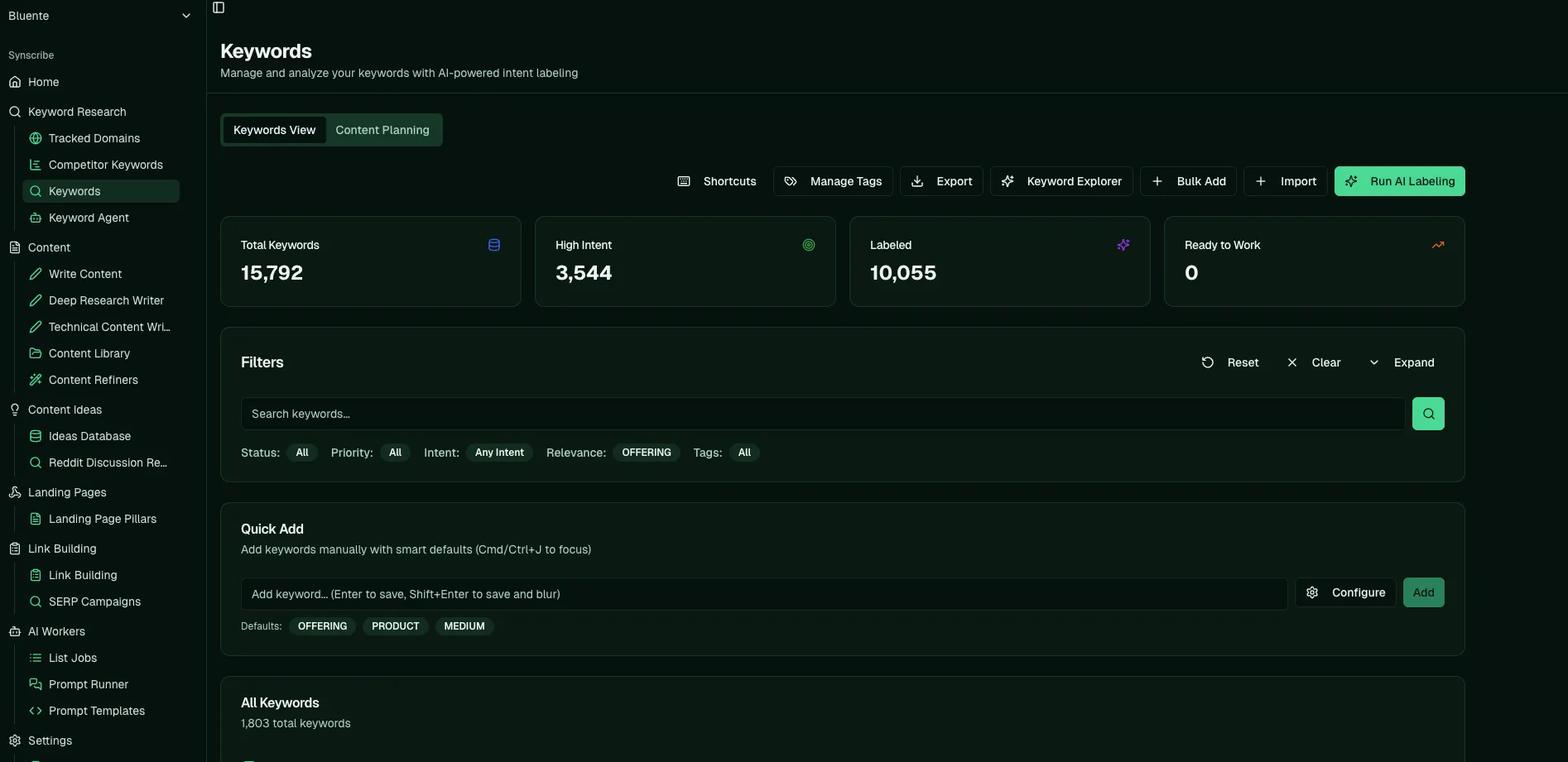 Image showing our Synscribe dashboard where we sorted through over 15,000 keywords to identify 3,000+ high-intent keywords for Bluente. These keywords formed the foundation of our landing page strategy.
1. Technical Foundation First
We began by testing a small batch of pages to ensure technical perfection before scaling. With Bluente's Next.js platform, we meticulously verified:
Server-side rendering performance
Metadata implementation (titles, descriptions)
Critical on-page elements (H1, first paragraph, JSON-LD markups)
SEO optimization scoring against target keywords
This technical foundation is crucial—AI platforms like ChatGPT favor well-structured, technically sound content that clearly communicates purpose and value.
2. Intent-Focused Landing Pages
Each page was optimized around one specific use case and search intent. Our litmus test was simple but powerful: when someone with a specific need lands on the page, they should immediately think "this is exactly what I need" without additional cognitive load wondering if the solution fits their requirements.
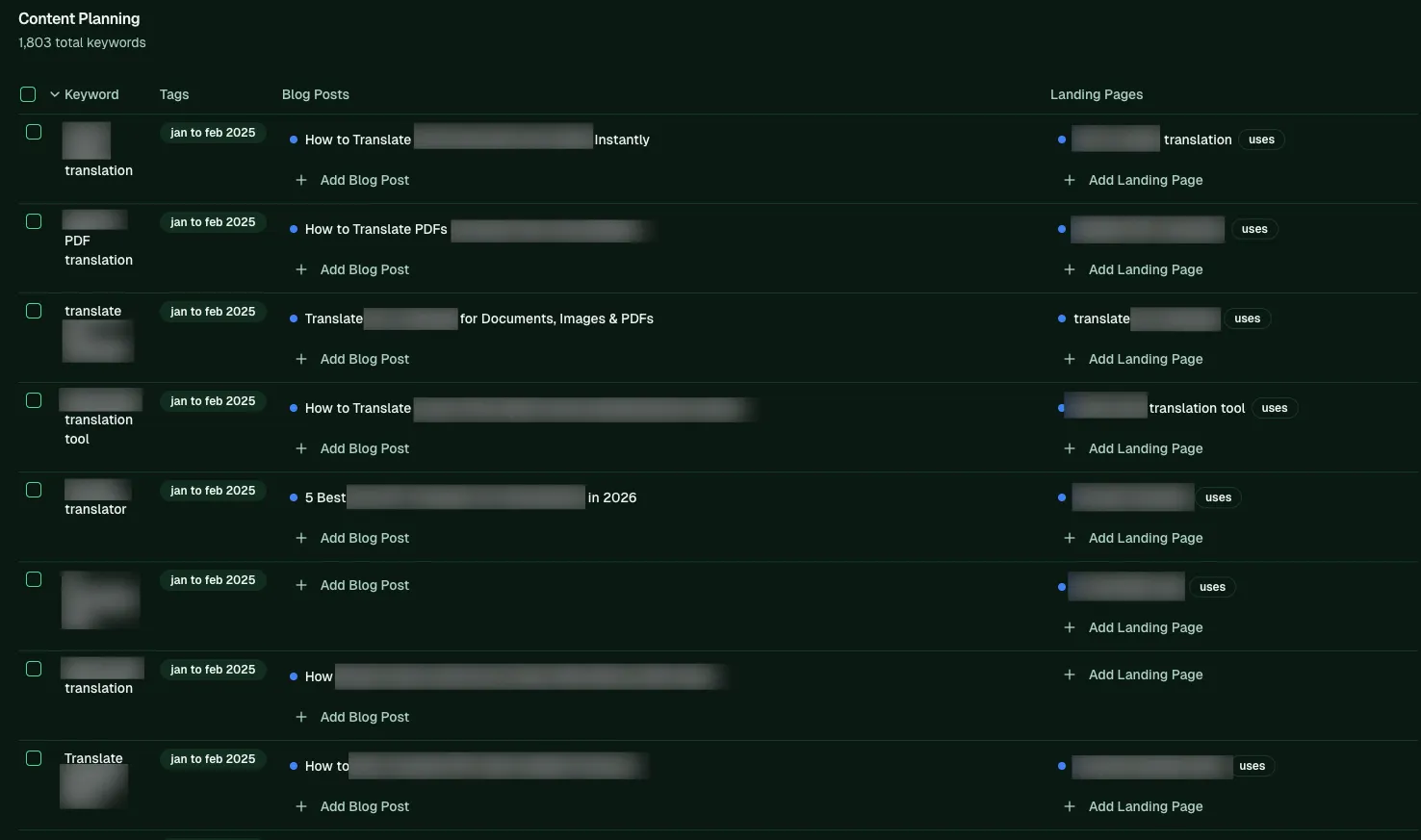 Our content planning dashboard, showing how we organized landing page creation based on the high-intent keywords identified in our research phase.
3. Accelerated Indexing Across All Platforms
We didn't just submit pages to Google—we ensured rapid indexing across all major search engines and AI platforms. Our team built a custom indexer based on IndexNow technology that automatically notifies all major search engines when new content is published or updated.
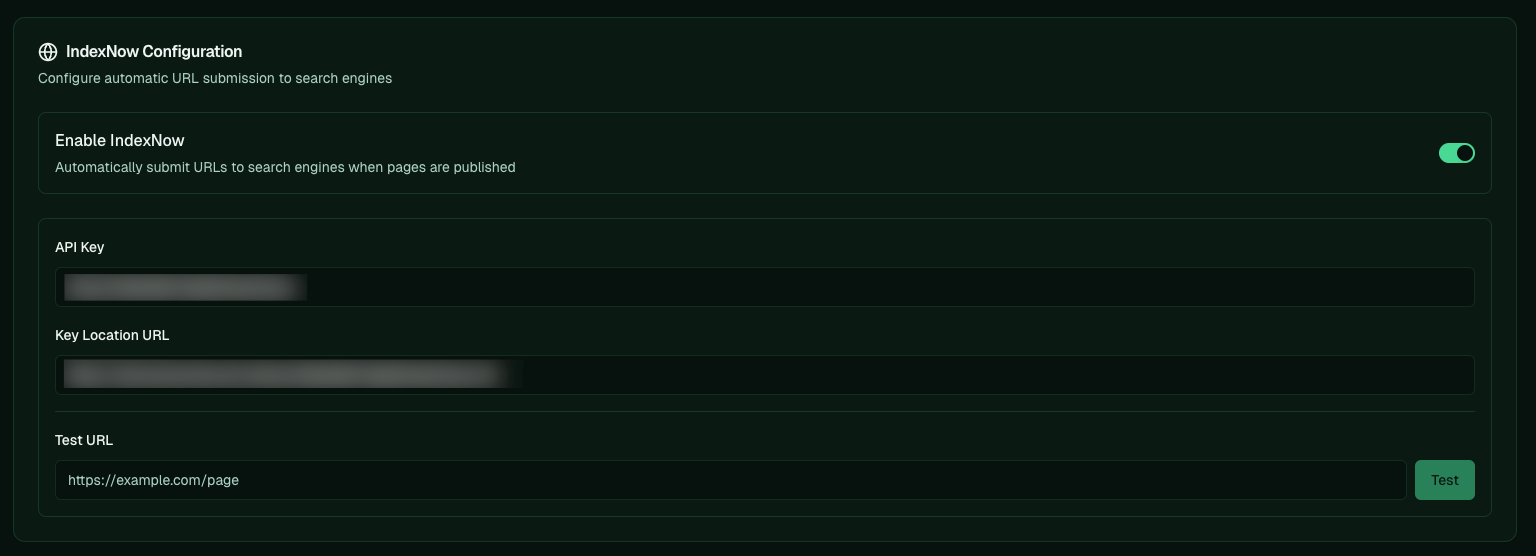 This approach ensured our pages were discoverable everywhere potential customers might be searching, not just on Google.
4. Data-Driven Optimization
We implemented comprehensive tracking using PostHog to identify:
Which specific pages were receiving AI traffic
What search intents were driving the highest engagement
Where conversion opportunities could be improved
By analyzing the slugs of pages receiving AI traffic, we could infer exactly what users were asking ChatGPT before clicking through to Bluente. This intelligence helped us continuously refine our keyword strategy.
Google Search Console data showing the dramatic growth in clicks (0 to 732) and impressions (0 to 75.8k) for programmatically generated "uses" pages over just three months.
5. Product Integration, Not Just SEO Pages
Here's where our technical edge truly shines. We don't just create SEO landing pages—we build functional product experiences.
For Bluente, we helped code the frontend in Next.js to implement their document translator widget directly into landing pages. This allowed visitors to immediately interact with the product and smoothly transition to registration.
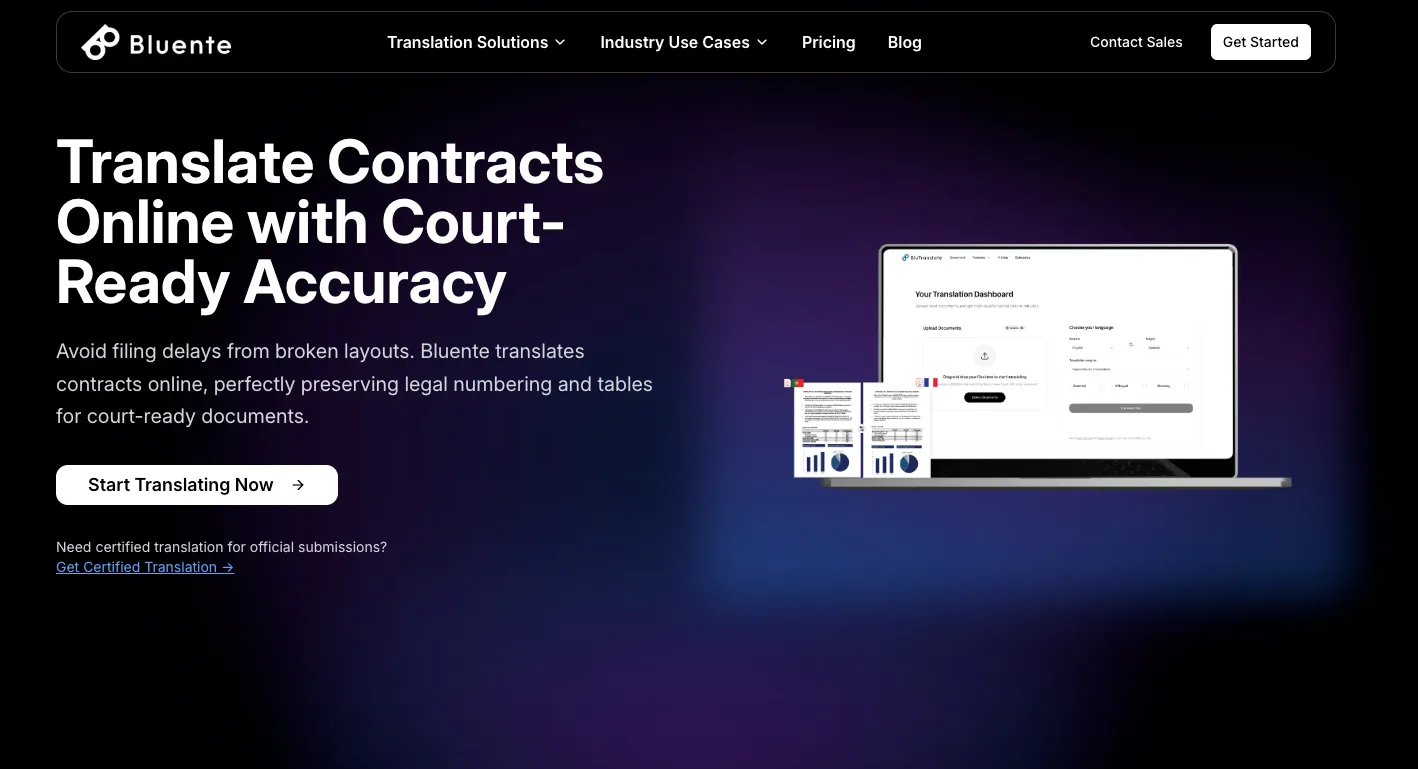 The initial landing page design featured a static image in the hero section.
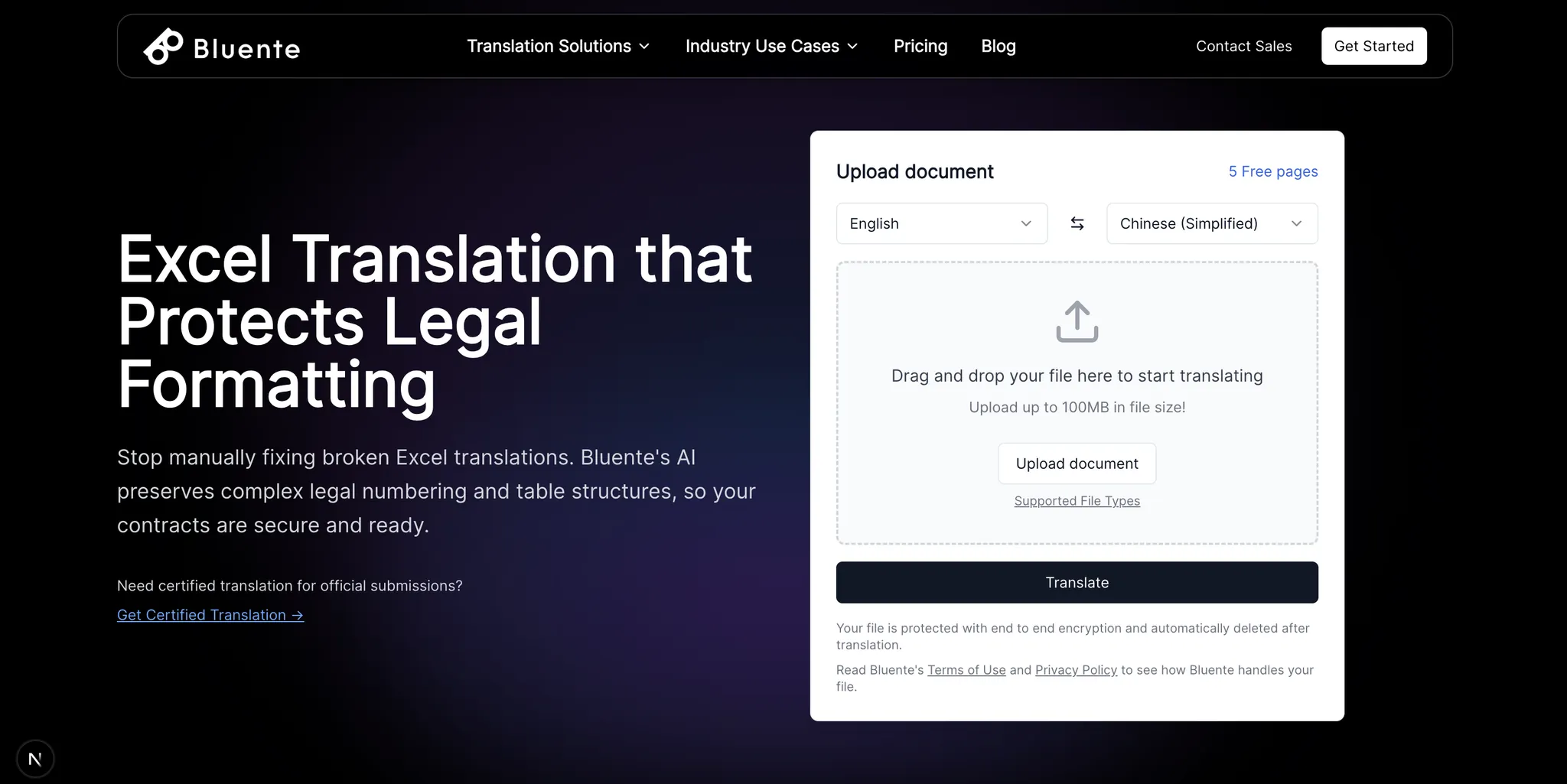 The improved design incorporates a functional product widget where users can drag and drop files and be prompted to register—creating a seamless path to conversion.
This approach dramatically reduces the conversion timeline. Rather than having users read content, consider options, and then maybe take action, we put the product directly in their hands from the moment they arrive.
6. Bottom-Funnel Focus
Many agencies approach programmatic SEO by creating vast amounts of top-of-funnel informational content. While this can drive traffic, conversions are often an afterthought.
We flipped this approach on its head. Every page we created for Bluente targeted specific use cases where users were actively seeking a solution—what we call true bottom-of-funnel content. These visitors don't need general education; they need the right solution presented clearly and immediately.
The Results: AI Traffic Explosion
After three months of implementing this strategy, the results have been remarkable:
1. Explosive AI Traffic Growth
Bluente went from zero AI traffic to over 1,000 visits per month from ChatGPT and other AI platforms in just 90 days. This growth rate significantly outpaced their traditional search traffic.
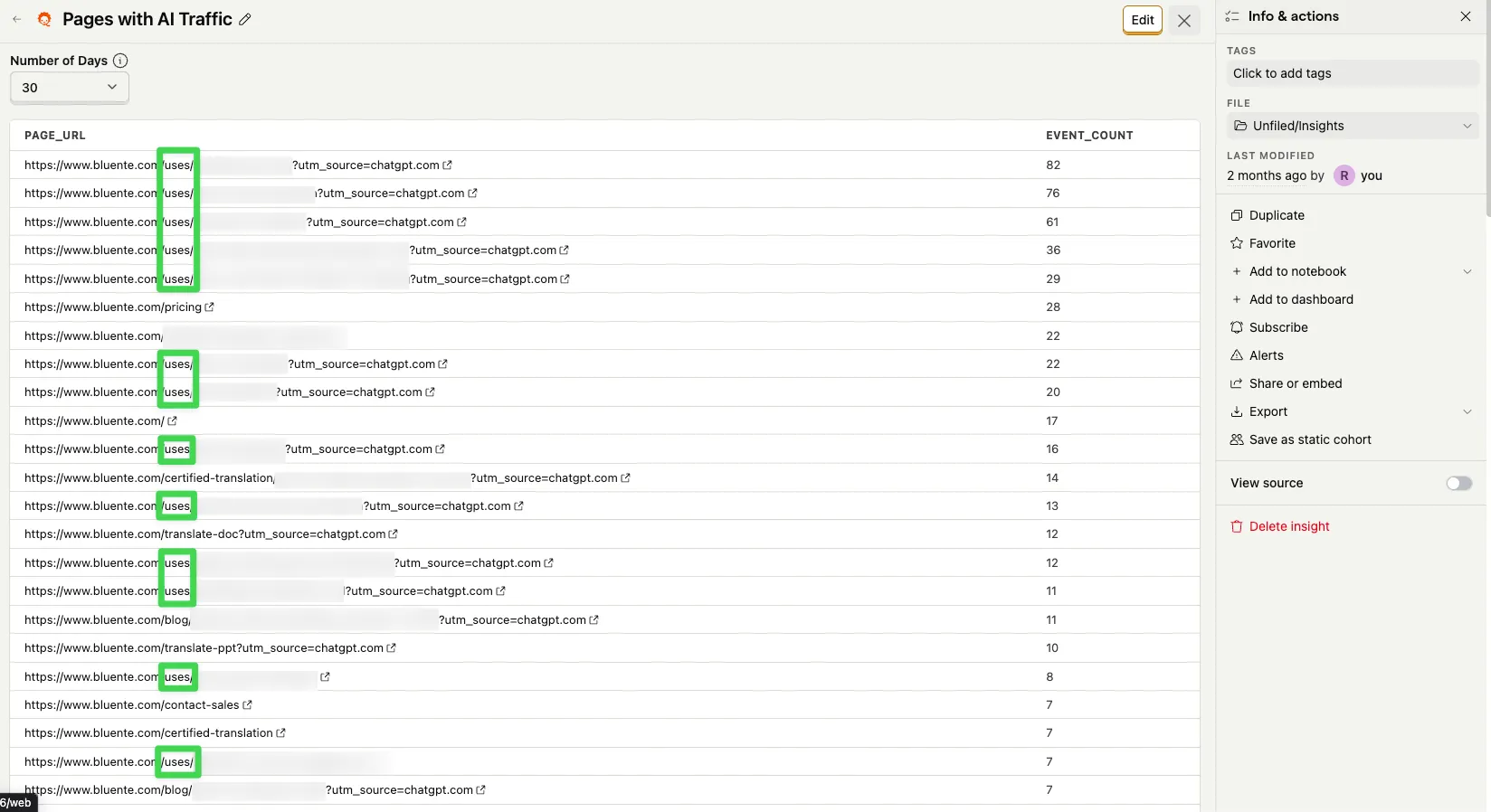 PostHog dashboard showing specific pages receiving traffic from ChatGPT, with the top page generating over 80+ click-throughs. What's not visible here is that over 100 pages each receive 1-3 clicks monthly, which collectively adds up to significant traffic.
2. Extraordinary Conversion Rates
The most impressive aspect isn't just the traffic—it's the quality. Landing pages created through our programmatic SEO strategy convert at more than 6x the rate of the rest of Bluente's site.
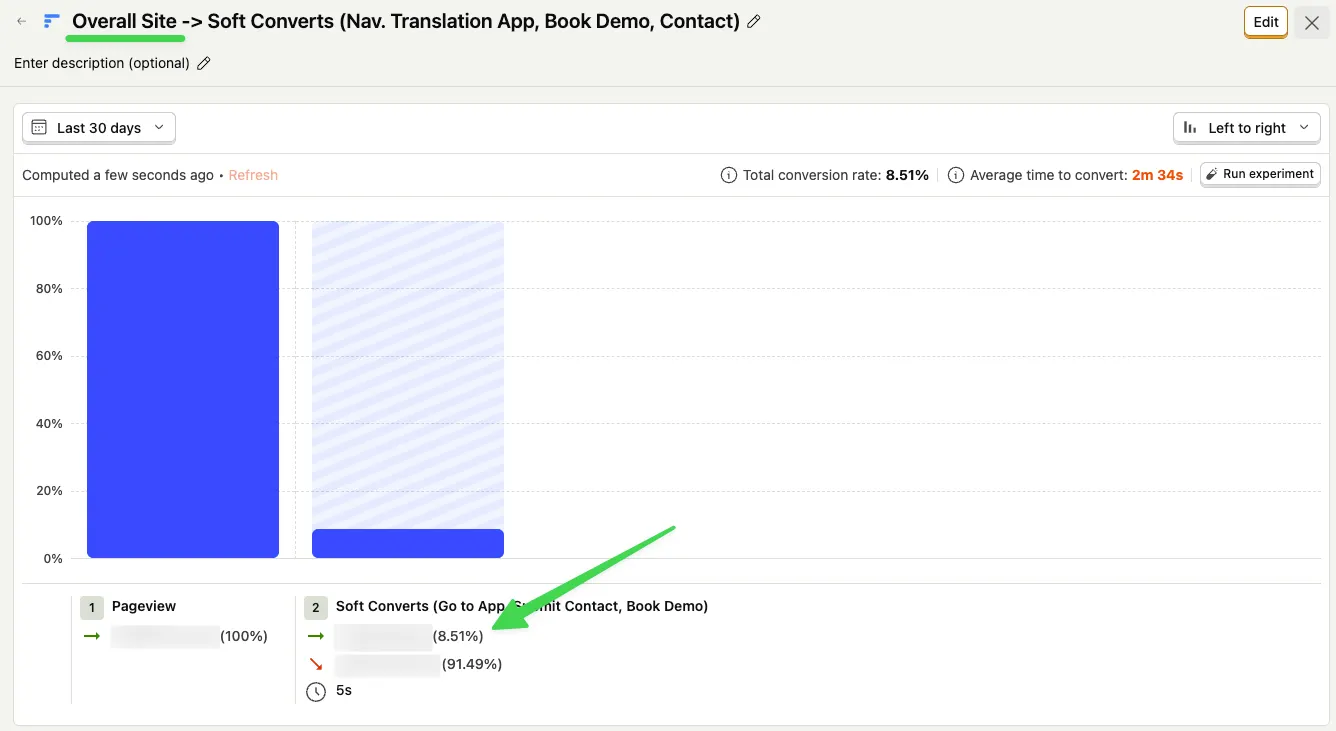 Overall site conversion rate of 8%
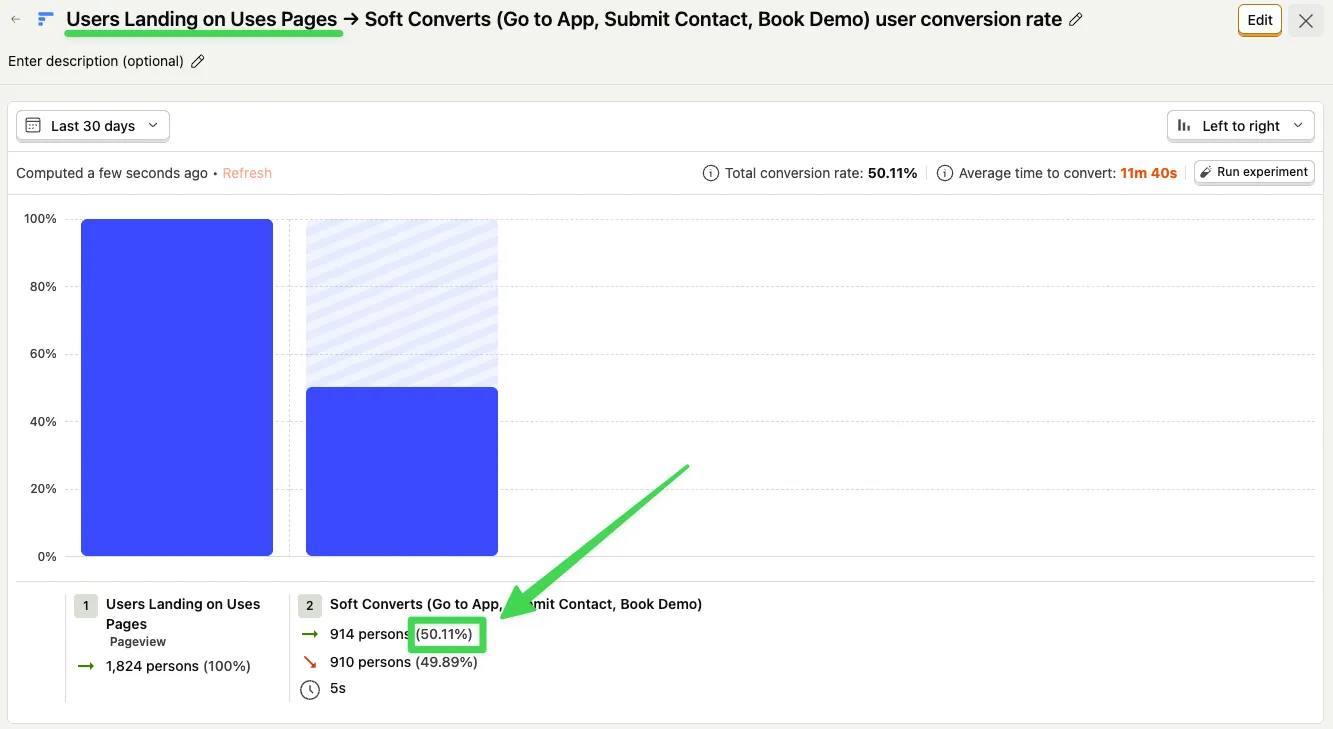 Conversion rate for programmatic "uses" pages exceeds 50%—more than 6x higher than the site average. Also note that while Google registers about 700 clicks, PostHog shows over 1,800 visitors, indicating that AI traffic is growing much faster than search traffic!
3. AI Traffic Delivers Higher Intent
This exceptional conversion performance isn't coincidental. When someone uses ChatGPT to find a solution and then clicks through to your website, they're demonstrating unusually high intent.
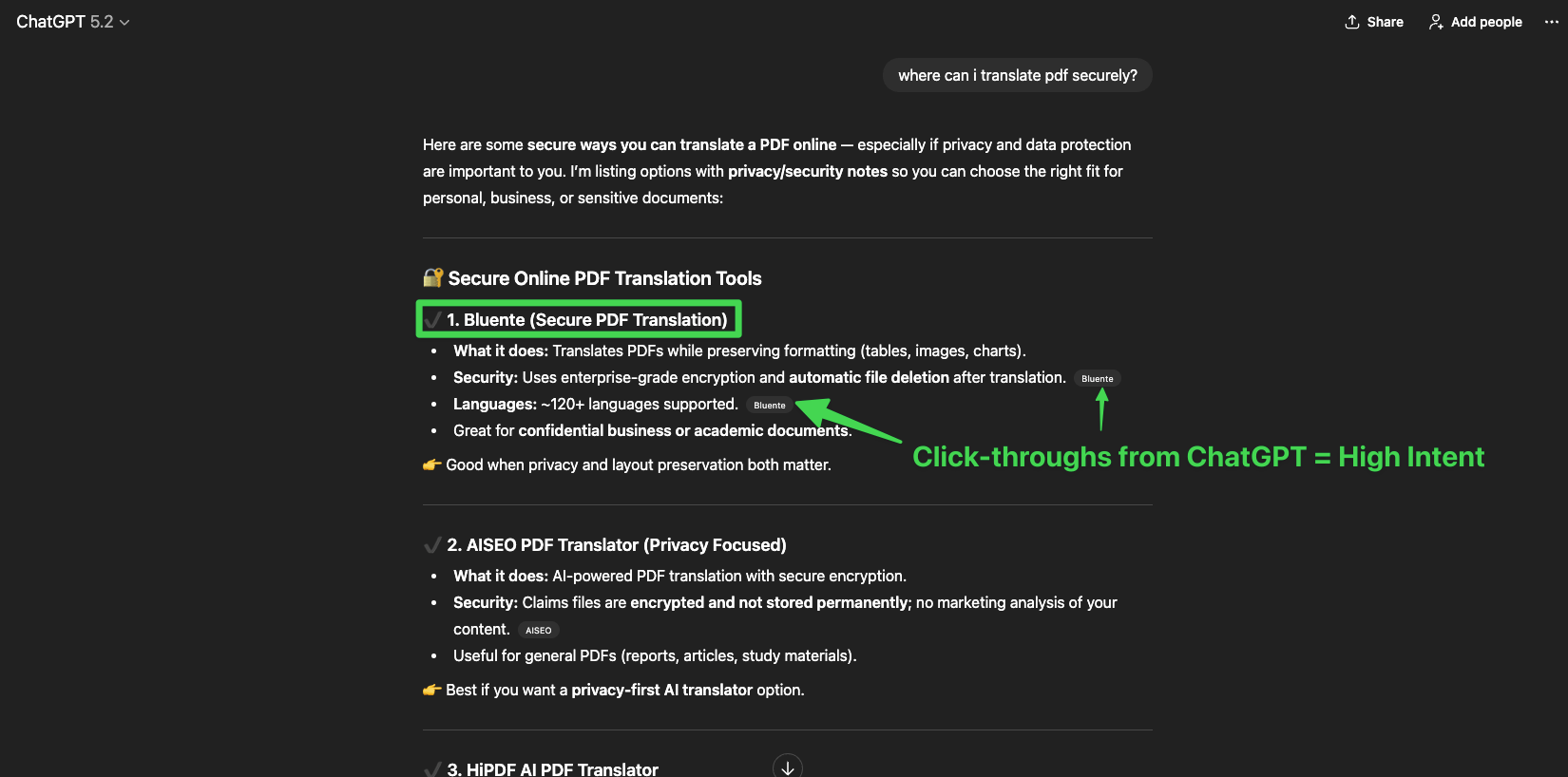 Example of a ChatGPT search that leads people looking for secure PDF translation to Bluente
They could have stayed within ChatGPT, but they chose to visit your site to complete their journey.
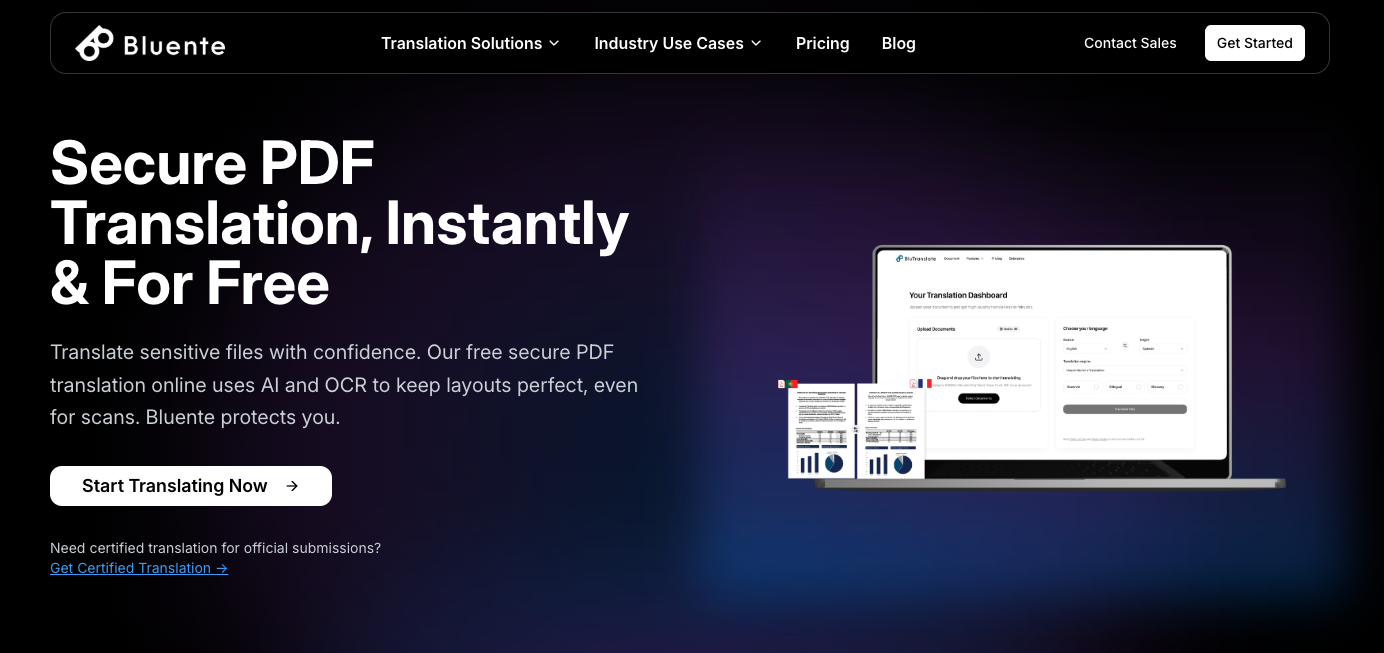 Landing page that continues the line of though following ChatGPT's click-through
That's where you greet them with a landing page that gives them exactly what they ask for and make them go "This is exactly what I want!".
4. Long-Tail Aggregation Adds Up
While some pages receive significant traffic individually (80+ visits per month), many receive just a few clicks. However, when you have hundreds of such pages, these "few clicks here and there" aggregate into substantial traffic and conversion volumes.
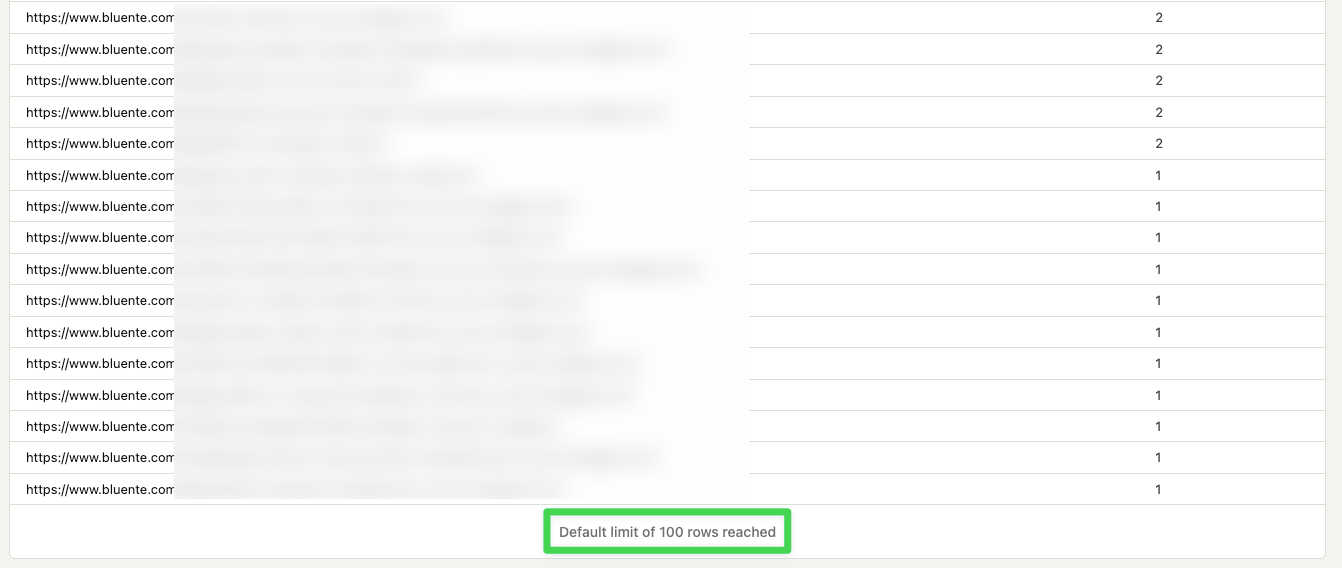 Image showing more than 100 pages receiving click-throughs from ChatGPT
After three months, more than 50% of Bluente's total conversions now come directly from our programmatic SEO strategy.
With the explosion of AI-generated search queries (see query fan out) we are seeing more long tailed keyword searches on search engines which makes strategies like this win big.
5. Continuous Improvement, Not "Set and Forget"
Our initial landing pages have been continuously refined based on performance data. We've improved the UI, enhanced product integration, and aligned the pages more closely with Bluente's brand and messaging.
This iterative approach ensures that pages don't remain in their initial "minimum viable" state but evolve into highly optimized conversion machines.
Key Takeaways: Why AI Traffic Deserves Your Attention
The Bluente case study reveals several important lessons for businesses considering AI traffic strategies:
AI traffic can grow faster than traditional search: In competitive industries, ranking in Google can take 6-12 months. AI platforms can deliver significant traffic much sooner.
The fat-tail opportunity is massive: Rather than competing for a few high-volume keywords, creating many highly specific pages targeting lower-volume queries can collectively deliver more traffic and conversions.
Bottom-funnel pages convert extraordinarily well: When visitors find exactly what they're looking for, conversion rates of 50%+ are achievable—far beyond typical SEO benchmarks.
Technical implementation matters: Our ability to integrate actual product experiences into landing pages (rather than just content) creates a frictionless path to conversion.
AI traffic is high-intent traffic: Users who click through from AI platforms have already evaluated options and are closer to a decision than typical search visitors.
If you're interested in exploring how a similar approach might work for your business, we'd love to hear from you. At Synscribe, we combine technical excellence with strategic focus to deliver traffic that doesn't just arrive—it converts.
Frequently Asked Questions
What is AI traffic and how does it work?
AI traffic refers to visitors who discover your website through recommendations and links provided by AI platforms like ChatGPT, Perplexity, or Copilot. It works by creating highly specific, technically sound content that directly answers user queries, prompting the AI to cite your page as the best source for a solution, which then drives users to click through to your site.
Why is AI traffic often more effective than traditional SEO?
AI traffic is often more effective because it can deliver high-intent visitors much faster than traditional SEO, which can take 6-12 months to rank for competitive keywords. As seen with Bluente, these visitors also convert at exceptionally high rates (over 50%) because they have already used the AI to research solutions and are primed to take action when they click through to your site.
How do you optimize content for AI platforms like ChatGPT?
Optimizing for AI platforms involves a combination of technical precision and strategic focus. This includes ensuring perfect server-side rendering, clear metadata, and structured data (like JSON-LD). Most importantly, each piece of content should be hyper-focused on a single user intent or use case, providing an immediate and clear solution to a user's problem.
What is a "bottom-funnel" programmatic SEO strategy?
A bottom-funnel programmatic SEO strategy involves creating numerous landing pages that target users who are actively seeking a specific solution, rather than general information. Instead of "what is X," these pages answer "how to solve Y with Z tool." This approach attracts high-intent visitors who are ready to convert, leading to much higher conversion rates.
How quickly can a business see results from an AI traffic strategy?
While results vary, a well-executed AI traffic strategy can generate meaningful traffic and conversions significantly faster than traditional SEO. In the Bluente case study, they went from zero to over 1,000 monthly AI-driven visits and saw their first lead in just three days, with substantial growth occurring within 90 days.
Can any business benefit from an AI-driven traffic strategy?
Yes, most businesses that offer specific solutions to user problems can benefit from this strategy. It is particularly effective for SaaS companies, e-commerce sites, and service providers where there are many specific use cases or "fat-tail" keywords that can be targeted. The key is to have a product or service that can be directly mapped to a user's search intent.
Ready to explore how AI traffic might transform your business? Contact Synscribe today to discuss your specific needs and opportunities.
Dominate ChatGPT and Google Search
Synscribe helps B2B companies with SEO & GEO using programmatic SEO approach. Book a call to find out how we help you win.